
Improving back-of-house operations in hospitality
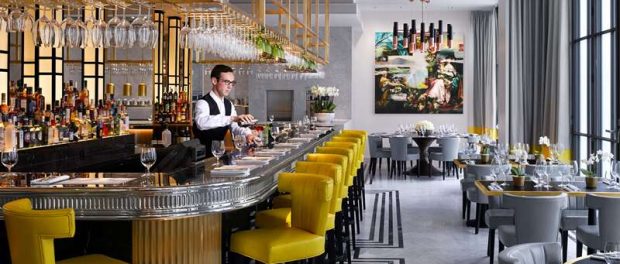
Behind every exceptional guest experience is a seamless operational network. With the transportation of food, beverages, cleaning supplies, laundry and deliveries comes the challenge of reducing the physical strain placed on hospitality teams while maintaining the speed and quality of service expected in luxury hospitality environments.
Manual handling remains one of the most common workplace risks across hospitality. The repeated lifting, pushing, pulling and carrying of heavy or awkward items can place significant physical demands on employees. That’s where lifts offer a convenient solution to support manual handling activities.
Lift solutions for hospitality environments
A service or goods lift is one of the most effective ways of reducing the risk of injury and strain. Goods lifts and service lifts are designed for different purposes, and the right solution depends on the environment and operational needs.
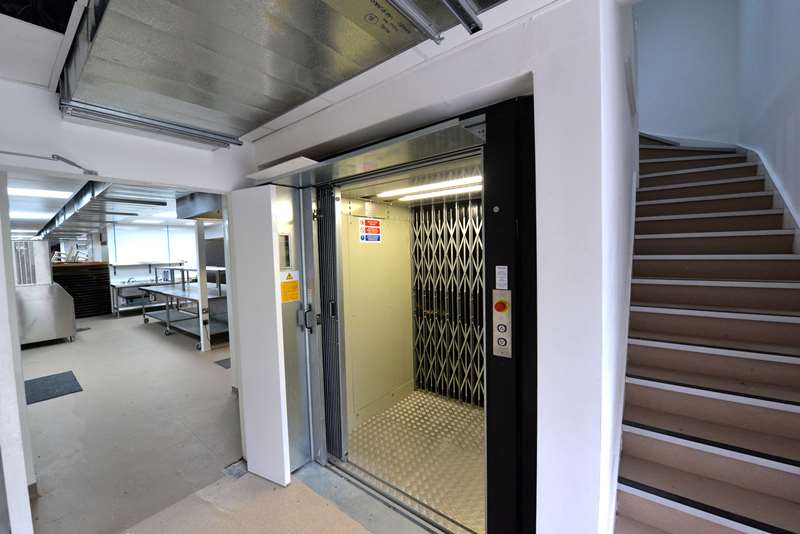
A goods lift is specifically designed to transport heavy goods and loads up to 15 metres between floors safely and efficiently. These lifts are built with high load capacities and durable finishes that can withstand frequent movement of equipment, stock and supplies in low- to medium-rise buildings. There is a range of goods lifts to choose from based on load requirements. For example, a platform goods lift moves loads of 300 to 500 kg safely over floors, whereas a heavy-duty goods lift can hold up to 2000 kg and two people.
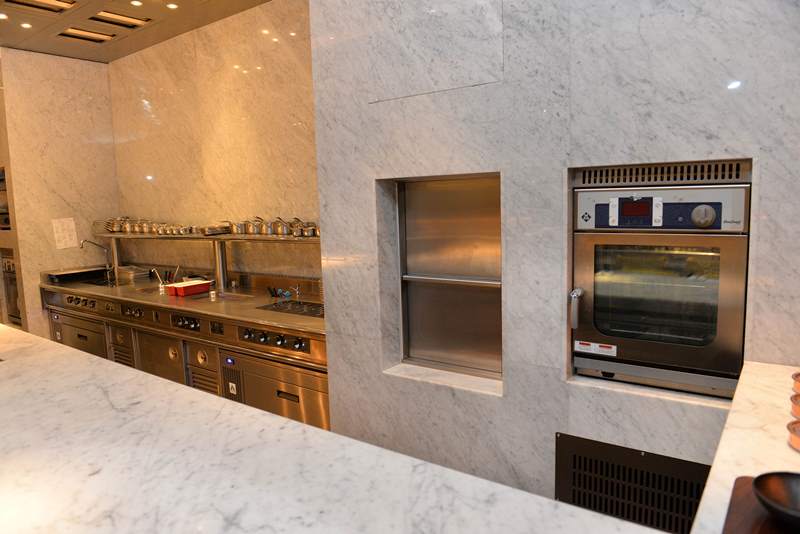
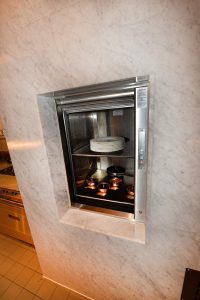
Service lifts, like dumbwaiters, are commonly used in buildings with dining areas and multi-level restaurants. With a load capacity of 50 to 100kg, they are designed to support hotel and restaurant operations by transporting smaller loads of food and small supplies quickly and efficiently.
Benefits of back-of-house lifts
Goods lifts and dumbwaiters play an important role in keeping hospitality operations running smoothly while remaining largely invisible to guests. By providing a dedicated means of transporting essential items between floors, they reduce the need for staff to manually carry heavy loads via stair and guest areas. This not only improves back-of-house operations but also helps maintain the seamless service that defines luxury hospitality. Housekeeping teams can replenish supplies more quickly, kitchens can deliver meals efficiently, and maintenance teams can transport equipment without disrupting the guest experience.
Beyond improving workflow, goods lifts and dumbwaiters contribute significantly to safer manual handling practices. Reducing the need to lift, carry and manoeuvre heavy items over long distances helps minimise physical strain on employees and lowers the risk of musculoskeletal injuries associated with repetitive manual handling tasks.
The Health and Safety Executive reported that 511,000 workers are suffering from work-related musculoskeletal disorders, with 7.1 million working days lost due to these conditions, showcasing the impact of poor manual handling practices.
Manual handling is one of the leading causes of workplace injury, accounting for 17% of all incidents, according to the latest Health and Safety Executive report (2024-2025).
For hospitality businesses, investing in the right lifting solutions is not simply about moving goods more effectively—it is about creating safer workplaces, improving productivity and supporting consistently high service standards.
Designing lifts into hospitality operations
Lifts should be considered during the earliest design stages, but they can be installed at any time as long as the space allows for it. To understand how a lift fits into your operations, consider how it will align with each department and support the movement of products and people.
The positioning of goods lifts and dumbwaiters is equally important to avoid unnecessary journeys and ensure smoother back-of-house workflows. Factors such as delivery access, storage locations and service corridors should all be considered.
Stannah offers a practical and easy-to-follow guide with step-by-step advice on identifying risks, building a business case, improving lifting techniques and creating a safer workplace.
