Luxury Hospitality is Moving Beyond Aesthetics: Instead Considering Sensory Design
Luxury hospitality is moving beyond how spaces look, towards how they make guests feel – with sound, scent, texture and taste now considered just as integral as architecture or service.
Aspire Pre Flight Hospitality share insight on how they are applying a full sensory design approach to airport lounges, reimagining them through a hospitality lens rather than as purely functional waiting spaces.
Why this matters now
There’s growing evidence that multi-sensory environments directly influence how long guests stay, how relaxed they feel and how positively they remember a brand. In fact, Business Research Insights nearly 63% of retail and hospitality environments report increased dwell time after introducing ambient scent strategies, while around 46% of luxury brands now use signature scents to strengthen brand identity and loyalty.
Scent alone has become a major strategic tool, already used in roughly 38% of retail environments because of its proven link to memory and emotional response. Sound, meanwhile, plays a critical role in managing stress and even shaping people’s perception of time.
For airport lounges, these insights are particularly powerful. Unlike hotels or restaurants, lounges operate in high-pressure, time-sensitive environments where anxiety, fatigue and sensory overload are common.
Designing calm in a stressful environment
Aspire has taken a deliberately holistic approach to this challenge, designing its lounges around all five senses:
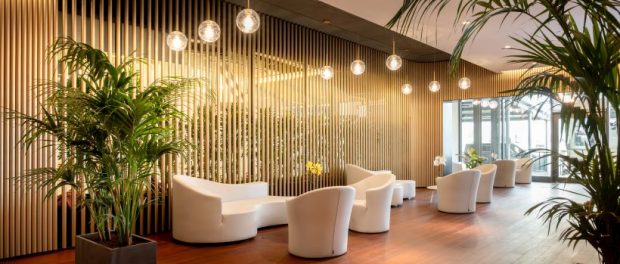
- Sight: Uncluttered, luxuriously crafted interiors with intuitive service flow
- Sound: A curated soundscape that evolves throughout the day to match passenger mood
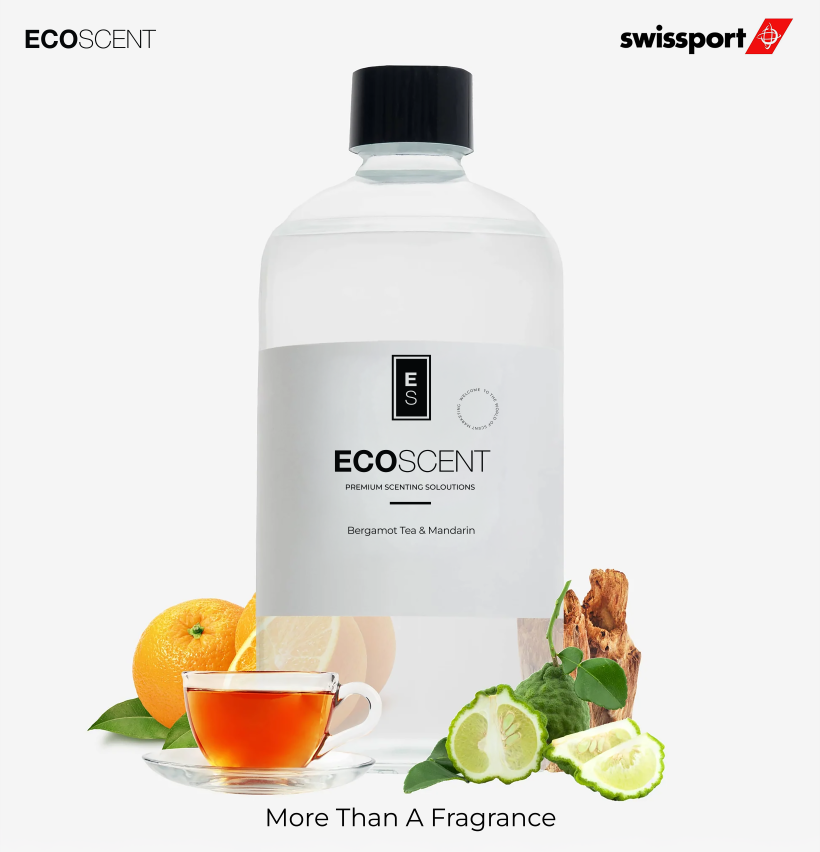
- Smell: Aspire’s signature scent, designed to reduce stress and create familiarity
- Feel: Ergonomic seating developed in partnership with Central Saint Martins for longer dwell times
- Taste: Fresh, location-inspired food and drink designed to feel indulgent
Rather than treating these elements in isolation, Aspire integrates sensory design into its operational strategy, recognising the psychological state of travellers at each touchpoint.
Below is a preview of commentary from Aspire Pre Flight Hospitality, alongside its sound partners, outlining how these sensory elements were developed, tested with guests and scaled globally.
Graham Allen, Global Operations Director at Aspire Pre-Flight Hospitality said: “When we launched Aspires scent, we trialled three scents over three months and actively invited guest feedback. Fragrance is incredibly personal, involving our guests in that decision was important and greatly received. Bergamot, Tea & Mandarin emerged as the clear favourite for being both powerful yet subtle.
Paul Dimmock, Managing Director at Sunflower Music said: “We specialise in compiling tailored music playlists to complement the brand image and target customer of businesses globally. After numerous rounds of sample tracks, we compiled the ‘signature sound’ for Aspire Lounges featuring a chilled-out vibe during the day playlists and more up-tempo beach club type atmosphere for the evening and night periods.”
Gwendal Hamon, Global Food & Beverages Director at Aspire Pre-Flight Hospitality said: “We’ve found that working with local suppliers brings menus to life—offering dishes that reflect regional identity and provide travellers a more authentic experience. It’s a win-win for sustainability and storytelling.”